
Bird Control
Home | Bird Control
Nuisance Bird Removal & Exclusion Services
Serving Gresham | SE Portland | Sellwood
Living in the Pacific Northwest means sharing our environment with incredible wildlife. But when local birds decide to make your roof, attic, or gutters their permanent roost, the damage can stack up fast. That’s where Pest Plus LLC comes in. As a local leader in nuisance bird management, we know the roosting habits of regional species inside and out, along with the environmental regulations that protect them.
We provide prompt, humane, and fully compliant bird control solutions designed to resolve active nesting problems and keep your property protected long-term.
Why Do You Need Professional Bird Control?
Birds damage Portland and Gresham homes in a variety of ways. Acidic droppings eat away at roof shingles and solar panels, while messy nesting materials clog gutters, trap unwanted moisture, and attract secondary pests like bird mites.
Getting rid of them isn’t simple, either. Federal laws like the Migratory Bird Treaty Act protect many local species, making DIY nest removal complicated.
Common Nuisance Birds in Our Area
Because every species behaves differently, identifying the exact bird on your roof dictates how we approach deterrence, safe removal, and legal compliance. Here are the most common birds we handle across the Portland and Gresham metro area:
- Pigeons (Rock Doves): Highly persistent in urban and suburban neighborhoods, pigeons love flat ledges, solar panels, and covered patios. Because they are a non-native species exempt from federal migratory protections, active management and nest removal can happen year-round.
- European Starlings: Aggressive and opportunistic, starlings frequently invade roof vents, soffits, and attic spaces in early spring. Their dense, dry nests create serious fire hazards near dryer vents and exhaust fans. As introduced non-native birds, they are not federally protected, allowing for straightforward removal.
- House Sparrows: Capable of squeezing through gaps as small as three-quarters of an inch, sparrows nest quickly in siding gaps, light fixtures, and wall vents. Like starlings, they are an introduced species exempt from federal protections, but their nests spread quickly if ignored.
- Woodpeckers & Migratory Songbirds: Species like the Northern Flicker are common throughout the Willamette Valley. Because flickers and native songbirds are fully protected under the Migratory Bird Treaty Act, it is illegal to harm them, disturb active nests with eggs or chicks, or trap them without federal permits. Managing these birds relies on legal, non-lethal deterrents, visual scaring tools, and structural modifications before nesting takes hold.
Our Step-by-Step Bird Control Process
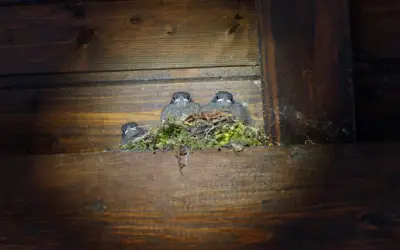
Comprehensive Bird Inspection on Your Property
We inspect your property to indentify the species, pinpoint active entry points, and assess structural damage and accumulation of droppings. We will closely examine your:- Roofline
- Chimneys
- Solar arrays
- Attic vents
- And other relevant areas
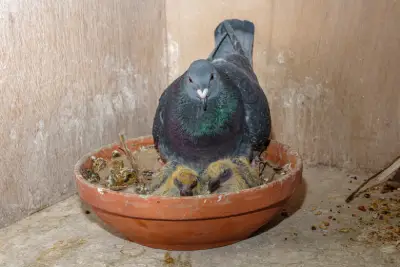
Humane Nest & Bird Removal
We safely remove unviable nests and non-protected species from your vents and eaves.
If protected migratory birds are actively nesting, we use legal, non-lethal displacement tactics or time our work to ensure 100% compliance with wildlife regulations.
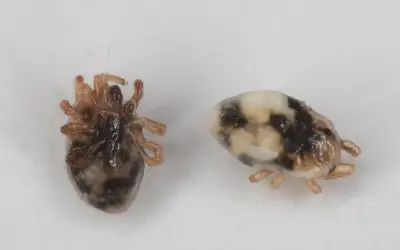
Biohazard Disinfection & Bird Mite Treatment
Accumulated droppings carry dangerous airborne pathogens and parasites like bird mites. We thoroughly clean and sanitize affected areas using professional-grade solutions to eliminate bacteria, stains, and lingering pheromones that attract other birds.
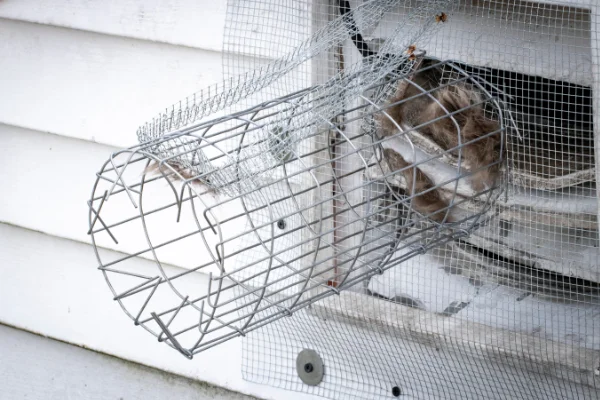
Custom Barrier & Exclusion Installation
To ensure birds can’t return, we seal off vulnerabilities using durable, weather-resistant hardware like stainless steel mesh, copper mesh, silicone sealants, and bird netting.
How can we help?
If you’re experiencing a pest problem and need immediate assistance, please give us a call at 503.504.4040 or send us a message.
Bird Control vs. Bird Exclusion: Why You Need Both
While often used interchangeably, bird control and bird exclusion tackle two different sides of the problem.
| Strategy | Primary Method | Objective | Common Tools Used |
| Bird Control | Behavior modification & harassment | Makes your property unappealing so birds choose to roost elsewhere. | Visual scaring devices, optical gel, sonic repellers, and humane traps. |
| Bird Exclusion | Physical barriers & gap sealing | Blocks physical access so birds cannot enter or land on structural surfaces. | Stainless steel bird spikes, stealth netting, vent mesh, and tension wire systems. |
Relying only on short-term control methods—like plastic owls or visual reflectors—might startle birds briefly, but urban birds adapt quickly. On the flip side, installing physical barriers without cleaning away nesting scents often just drives birds to an adjacent, unprotected spot on your roof.
By pairing immediate behavioral deterrents with long-term structural exclusion, we solve the immediate problem and protect your home for years to come.
Why Local Homeowners Trust Pest Plus LLC
- Fast Response and Scheduling: Nesting birds near living spaces, HVAC intakes, or roof vents pose immediate health and noise concerns. We prioritize quick scheduling across Gresham and SE Portland to address threats fast.
- Pacific Northwest Expertise: We understand the seasonal nesting habits, structural vulnerabilities, and wildlife laws specific to Oregon. You get safe, effective results without legal risk.
- Complete Sanitation & Parasite Eradication: We don’t just clear nests and walk away. Every service includes complete microbial disinfection and specialized extermination treatments targeting lingering bird mites, protecting your indoor environment from biohazards and secondary pest infestations.
- Durable, Weather-Proof Materials: Oregon dampness destroys cheap materials. We use heavy-duty galvanized mesh, UV-stabilized stealth netting, and stainless steel spikes that withstand rain without rusting or degrading your curb appeal.
- Straightforward Pricing: You receive a detailed breakdown of our findings and recommended solutions before any work begins. No surprises or hidden fees.
Portland & Gresham Bird Control FAQs
How do bird control and exclusion services affect solar panels?
Nesting underneath solar panels causes two major issues:
- Heavy droppings create direct surface shading that reduces energy output by 5% to 15%.
- Trapped nesting materials block air circulation, causing panels to overheat and lose conversion efficiency.
To protect your system’s output and preserve your manufacturer warranty, our solar panel exclusion technicians install perimeter mesh using non-drilling, frame-mounted clips. These specialized tension clips attach directly to the metal lip of the solar panel frame without drilling into the frame, puncturing the roof membrane, or touching the glass backing. Because no structural modifications are made to the modules or roof, all standard manufacturer warranties remain 100% intact.
Are there seasonal or weather-related limitations for installing physical bird barriers in the Pacific Northwest?
While physical exclusion barriers (such as mesh, netting, and stainless steel spikes) can be installed year-round in Oregon, local weather patterns do dictate specific timing and material installation rules:
- Adhesives & Sealants: High-grade silicone sealants and heavy-duty structural adhesives require dry surfaces and temperatures above 40°F to cure properly. During wet PNW winters, mechanical fasteners, frame clips, and direct-screw mounts are prioritized over adhesive-bonded bases.
- Winter Storms & Sleet: Heavy installations like large-span netting must be pre-tensioned to handle regional wind, rain, and occasional freezing sleet without sagging or collecting debris.
- Spring Nesting Season: Late winter and early spring are the most ideal times for barrier installation. Installing physical barriers before native birds return for spring nesting prevents active nest disputes under wildlife protection laws.
What happens if an active migratory bird nest with eggs or chicks is discovered on a Portland-area home during the initial inspection?
If an active nest containing eggs or live chicks of a protected native species (such as Northern Flickers, barn swallows, or native songbirds) is discovered, federal law strictly prohibits moving, disturbing, or destroying it under the Migratory Bird Treaty Act (MBTA).
In this scenario:
- Immediate Pause & Isolation: Work on that specific area stops immediately.
- Non-Lethal Temporary Deterrence: Technicians will secure surrounding, unnested areas of your property to prevent expansion.
- Fledging Window Schedule: Technicians monitor the nest until the young chicks mature and leave permanently (typically 2 to 4 weeks depending on the species).
- Post-Fledge Exclusion: Once the nest is confirmed empty and unviable, technicians conduct biohazard cleanup and permanently seal the entry point.
(Note: Non-native invasive species—such as Pigeons, European Starlings, and House Sparrows—are exempt from federal protection and can be removed immediately year-round.)
How do professional exclusion methods affect a home's exterior aesthetic and curb appeal?
Modern professional exclusion systems are engineered to provide maximum barrier security while remaining virtually invisible from the ground:
- Stealth Netting: High-density, UV-stabilized stealth netting is color-matched (black, stone, or translucent) to blend seamlessly into roof shadows, eave overhangs, and architectural recesses.
- Low-Profile Solar Guards: Solar panel screening uses PVC-coated black wire mesh that contours tightly along the panel perimeter, creating a clean, factory-installed shadow line under the array.
- Discreet Placement: Stainless steel spikes and tension wires are installed along roof ledges and gutters above standard sightlines, preserving the architectural look of your home while preventing perching.
Protect Your Home from Nuisance Birds Today
Don’t let nesting birds ruin your roof structure, clog your gutters, or introduce biohazards into your home. Contact Pest Plus LLC today to speak with a local specialist and book your comprehensive property inspection.